
How to Choose the Right Notebook: A Complete Guide for Students & Professionals

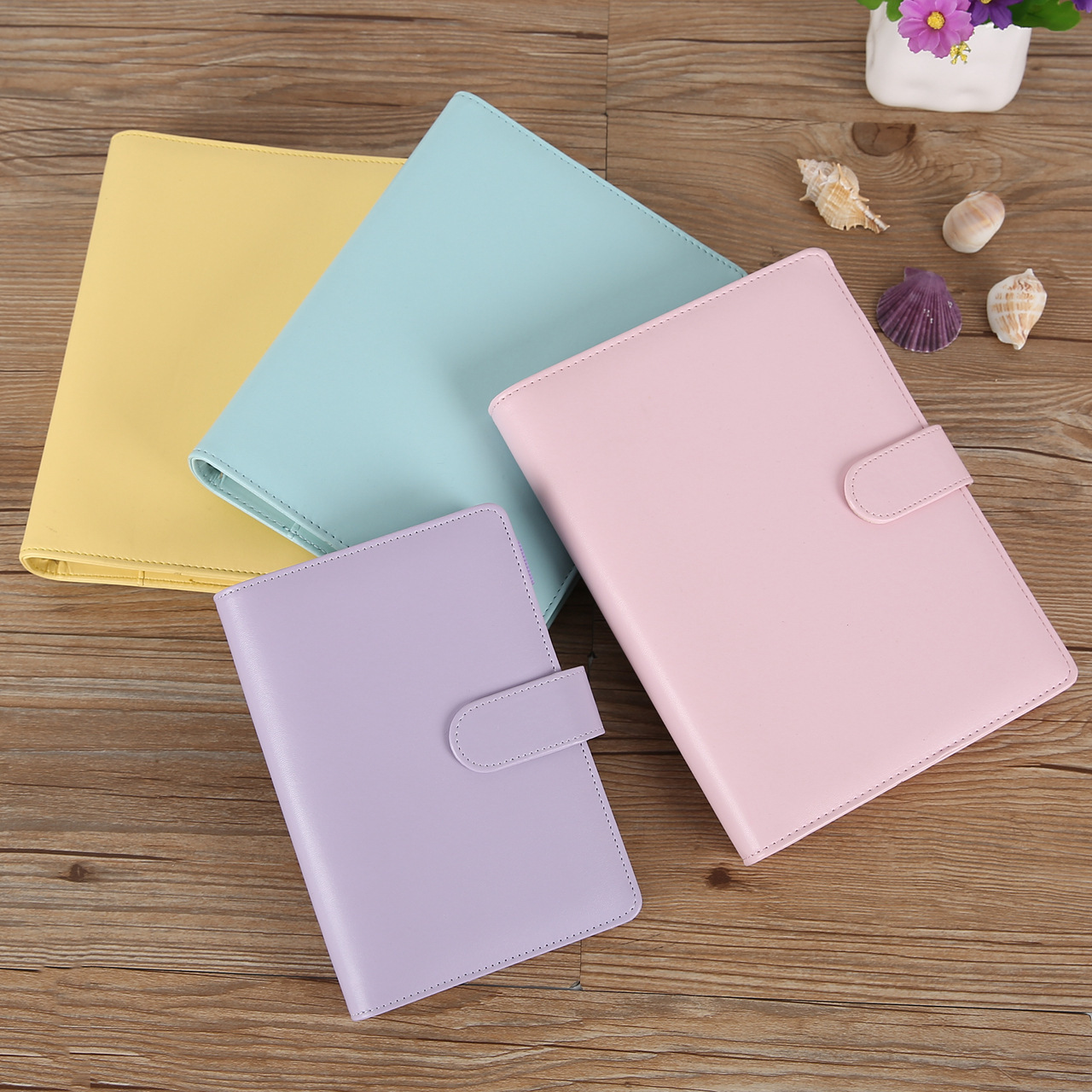
Walk into any stationery store and you’ll find dozens of notebooks staring back at you. Hardcover or softcover? Lined, blank, or dot-grid? A5 or A4? It’s easy to feel overwhelmed — especially when you know the right choice can genuinely improve how you take notes, plan, and think on paper.
This guide breaks down everything you need to consider when buying a notebook, whether you’re a student, a working professional, an artist, or an avid journaler.
Step 1: Consider How You’ll Use It
The most important question is: what is this notebook for? Your answer determines almost everything else.
- Lecture or meeting notes: You need fast, lined pages that you can fill quickly.
- Journaling or diary: A blank or lightly dotted page gives you freedom to write large, draw, or paste things in.
- Bullet journaling or planning: Dot-grid is the gold standard — the dots guide without constraining.
- Sketching or art: Blank, heavy-weight pages are essential.
- Technical notes or diagrams: Graph paper or mixed-media notebooks work best.
Step 2: Choose the Right Size
Notebook size affects both portability and how much you can fit on a page. Here are the most common formats:
- A6 / Pocket size: Great for carrying everywhere. Ideal for daily to-do lists and quick notes. Limited space for detailed writing.
- A5 (half letter): The most popular size for good reason — compact enough to carry in a bag, spacious enough for full pages of notes or journaling. Perfect for most users.
- B5: Slightly larger than A5, loved by students who need more writing space without going full A4.
- A4 / US Letter: Best for detailed note-taking, large diagrams, or desk-bound use. Less portable.
Step 3: Paper Quality Matters More Than You Think
Paper weight (measured in gsm — grams per square metre) determines how your writing looks and feels. Standard paper is around 70–75gsm. For a notebook you’ll use with quality pens, go for at least 90gsm.
Fountain pen users should look for 100gsm or higher to prevent ink bleeding through. Smooth paper suits felt-tip and rollerball pens. Slightly textured paper is better for pencil and graphite work.
Step 4: Binding & Cover Type
Binding affects how the notebook opens and how durable it is over time.
- Hardcover: Durable, professional-looking, and supports writing without a desk. Ideal for everyday use.
- Softcover / flexible: Lighter and more flexible. Good for travel or if you prefer a less rigid feel.
- Spiral-bound: Lies completely flat and you can fold it back on itself — excellent for students who need both pages visible at once.
- Sewn binding (Smyth-sewn): The premium choice. Pages stay flat, won’t fall out, and the notebook ages beautifully.
Step 5: Page Layout — Lined, Blank, Dotted, or Grid?
This comes down to personal preference and use case:
- Lined: Best for writing and note-taking. Classic and familiar.
- Blank / unruled: Maximum freedom. Great for sketching, mind-maps, or freeform journaling.
- Dot-grid: The most versatile option. Subtle dots guide your writing and drawing without visible lines. Loved by bullet journalers and designers.
- Graph / grid: Perfect for technical notes, data tables, or geometric drawing.
Quick Reference: Notebook Comparison
For students: A5 or B5, lined or dot-grid, hardcover, 80–90gsm paper.
For professionals: A5 hardcover, dot-grid or lined, sewn binding, 90gsm+.
For artists & journalers: A5 or A4 blank pages, heavy paper (120gsm+), lay-flat binding.
For travelers: Pocket-sized softcover, dotted or lined, durable cover.

