
Why Handwriting Still Matters in a Digital World (And the Best Pens to Use)

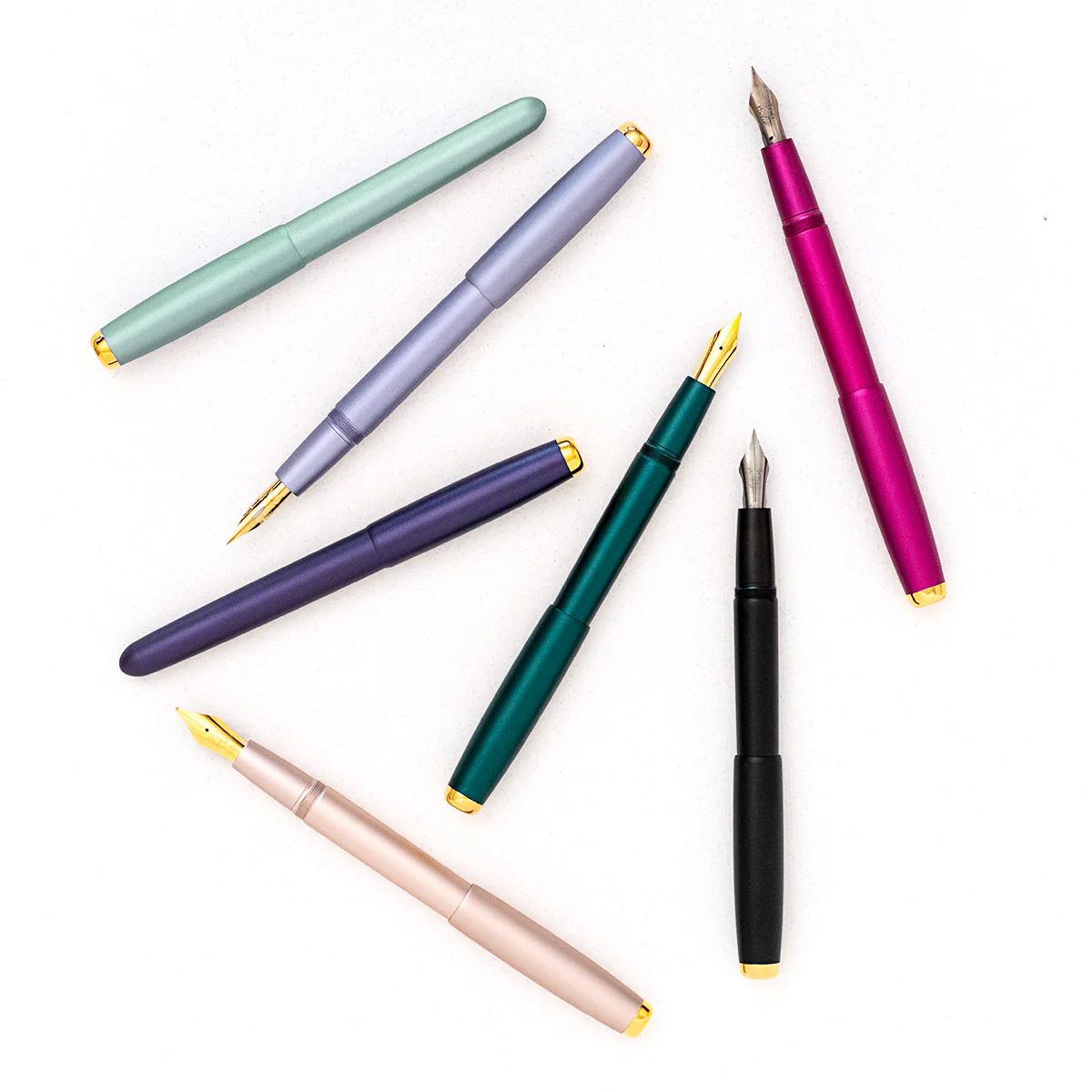
In a world where we type, tap, and swipe for almost everything, the act of putting pen to paper might seem quaint. But research — and a growing cultural movement — suggests that handwriting is far more than a nostalgic habit. It’s a powerful cognitive tool, a creative catalyst, and for many people, a meaningful daily ritual.
Here’s why you should be writing by hand more often, and which pens will make that experience genuinely enjoyable.
The Science Behind Writing by Hand
Studies in cognitive science consistently show that handwriting engages the brain differently — and more deeply — than typing. When you write by hand, you activate regions associated with memory, language processing, and motor learning simultaneously. Because you can’t transcribe as fast as someone types, you naturally synthesize and rephrase information, leading to deeper understanding and better long-term retention.
A landmark study found that students who took handwritten notes performed significantly better in conceptual questions compared to those who typed — even when the typists had access to more complete notes. The act of slowing down and processing information is the key.
Handwriting and Mental Wellness
There’s a reason journaling has become a cornerstone of modern wellness culture. Writing by hand — especially in a dedicated journal — is a form of cognitive offloading. When you write down worries, plans, or feelings, you literally reduce their hold on your working memory. Psychologists call this the “expressive writing effect,” and it’s been linked to reduced anxiety, better sleep, and clearer thinking.
Many therapists and mindfulness practitioners actively encourage journaling as a complement to other mental health practices. The slow, intentional nature of handwriting makes it a natural mindfulness exercise in itself.
Creativity, Connection, and the Handwritten Letter
There’s something uniquely personal about a handwritten note. A birthday card with a few written sentences means infinitely more than an emoji. A handwritten letter in the age of email is remarkable — and unforgettable. Writing by hand also taps into creative thinking in ways that typing doesn’t. Many writers, artists, and designers keep handwritten sketchbooks for exactly this reason: the physical act of drawing or writing unlocks ideas that screens seem to suppress.
Choosing the Right Pen Makes All the Difference
The single fastest way to make handwriting more enjoyable is to use a pen you love. Here are the main types and what they’re best suited for:
Ballpoint Pens
The reliable workhorse. Ballpoints use oil-based ink, which dries instantly and doesn’t smudge. They work on most paper types and last a long time. Modern premium ballpoints offer buttery smooth lines — a world away from the scratchy disposables of old. Best for: everyday note-taking, quick writing, and traveling.
Gel Pens
Gel ink sits between ballpoint and rollerball in terms of flow. It’s water-based, writes smoothly, and comes in vivid colors. Many people find gel pens the most satisfying for extended writing sessions. Best for: journaling, detailed notes, color-coded studying.
Rollerball Pens
Rollerballs use liquid ink that flows freely, producing an expressive, fluid line. They write with noticeably less pressure — ideal for people who press hard and experience hand fatigue. Best for: creative writing, signatures, personal correspondence.
Fountain Pens
For the serious pen enthusiast, nothing compares to a fountain pen. They reward good technique, come in a huge variety of nib sizes and styles, and can last decades with proper care. The experience of writing with a well-tuned fountain pen is in a class of its own. Best for: dedicated journalers, letter writers, collectors.

